

 Passionate about change? Volunteer with us today!

NCDI Africa Participates in the National Youth Dialogue on Agroecology, Climate Action, and Food Systems Transformation
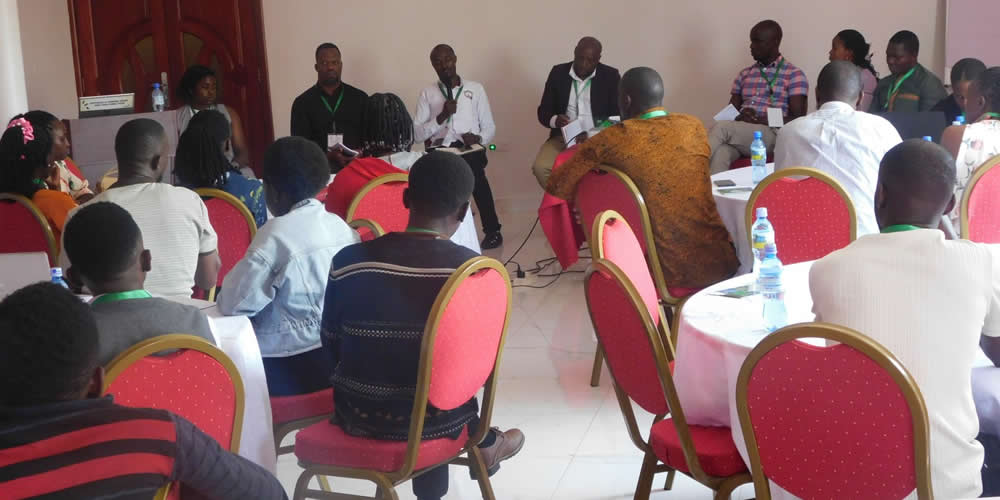
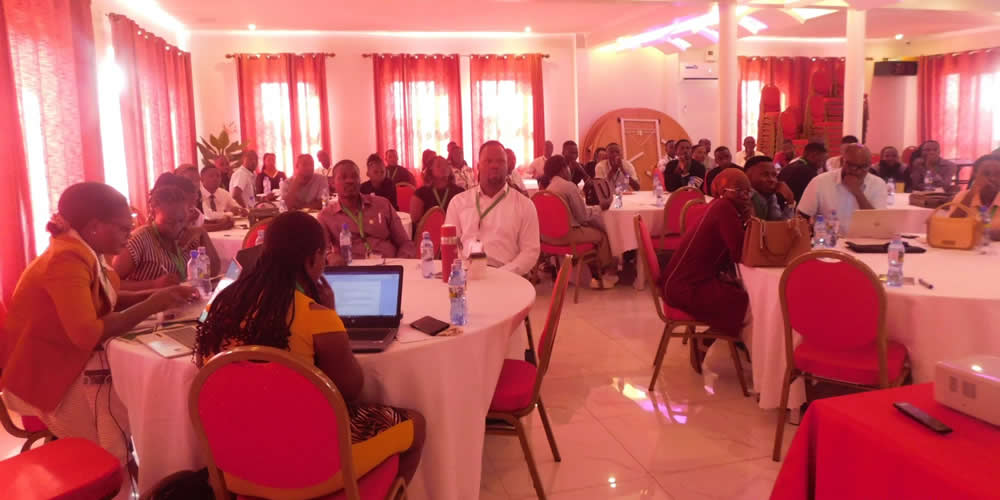
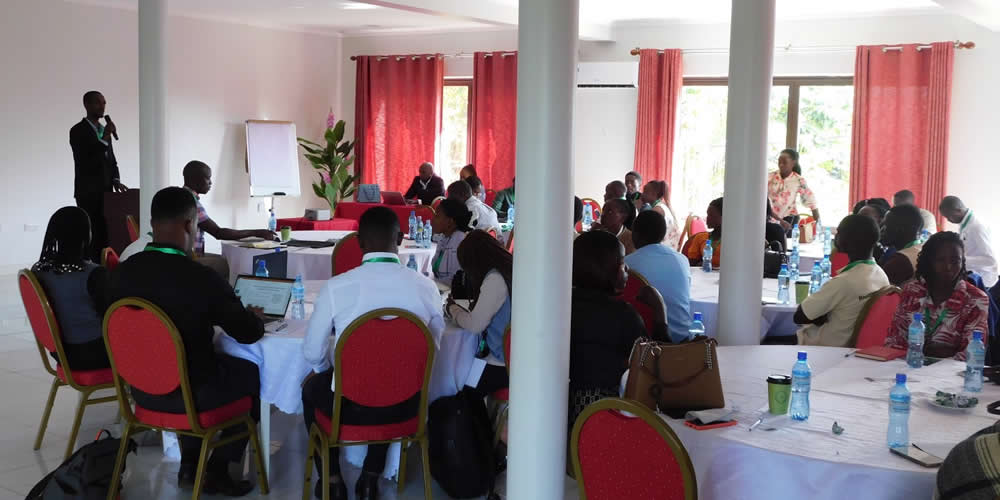
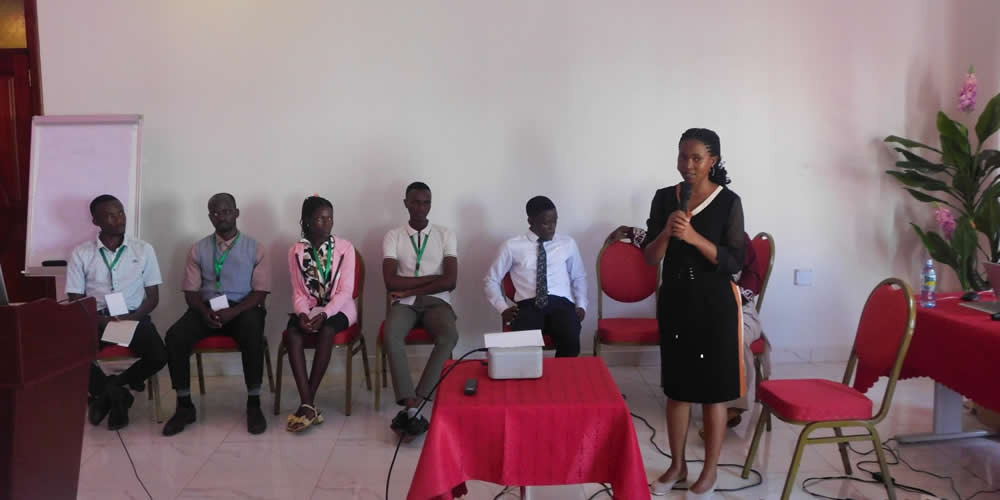
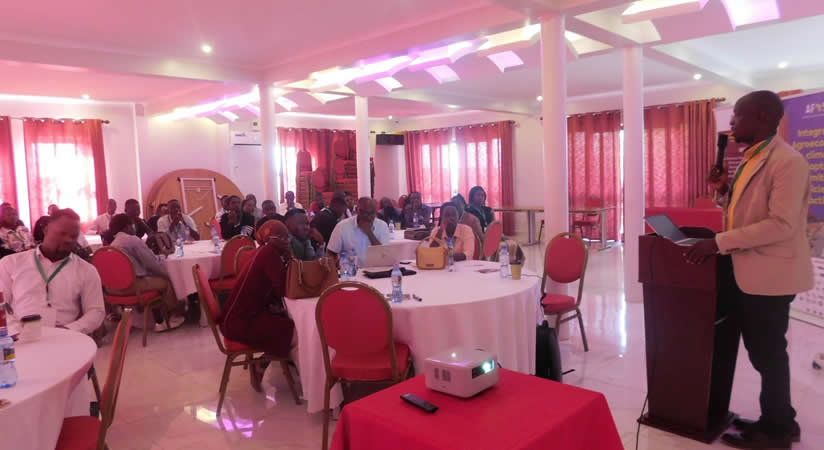
On 30th and 31st July 2026, NCDI Africa had the privilege of participating in the National Youth Dialogue on Agroecology, Climate Action, and Food Systems Transformation, organized by Uganda Martyrs University (UMU) in partnership with the Alliance for Food Sovereignty in Africa (AFSA) at Green Yard Beach, Entebbe.
The two-day dialogue brought together university students, young farmers, researchers, academics, civil society organizations, and agroecology practitioners from across Uganda to discuss the future of sustainable food systems and strengthen youth leadership in advancing agroecological transformation.
The primary purpose of the dialogue was to create a platform for young people and key stakeholders to exchange knowledge, share experiences, identify challenges, and develop collaborative solutions for promoting agroecology, climate resilience, and sustainable food systems in Uganda.
Day One: Building a Shared Understanding of Agroecology
The first day focused on deepening participants' understanding of agroecology as a holistic and sustainable solution to current food system challenges. Discussions explored the differences between organic and inorganic farming, the importance of ecological farming practices, and the urgent need to transform food systems in ways that protect both people and the environment.
Participants also examined the barriers limiting meaningful youth participation in food systems transformation, including:
- Limited access to land ownership
- Inadequate access to financial services.
- Restricted market opportunities.
- Knowledge and skills gaps among young people.
The dialogue further emphasized the central role of youth in shaping Uganda's future food systems and highlighted Participatory Action Research (PAR) as an essential approach for generating locally driven solutions and strengthening community ownership of agroecological initiatives.
Key Takeaways
- Strengthen and preserve Indigenous Knowledge Systems.
- Promote multi-sectoral collaboration among government, academia, civil society, and communities.
- Adopt participatory and community-led approaches in programme design and implementation.
- Strengthen youth networks to enhance collaboration, advocacy, and knowledge sharing.
Day Two: From Dialogue to Action
On the second day, participants were organized into institutional and stakeholder working groups to collaboratively design practical agroecology interventions that could be implemented within their respective organizations and communities.
These group discussions challenged participants to consider how the dialogue could evolve into a coordinated National Youth Agroecology Action Plan capable of guiding and strengthening agroecology promotion across Uganda.
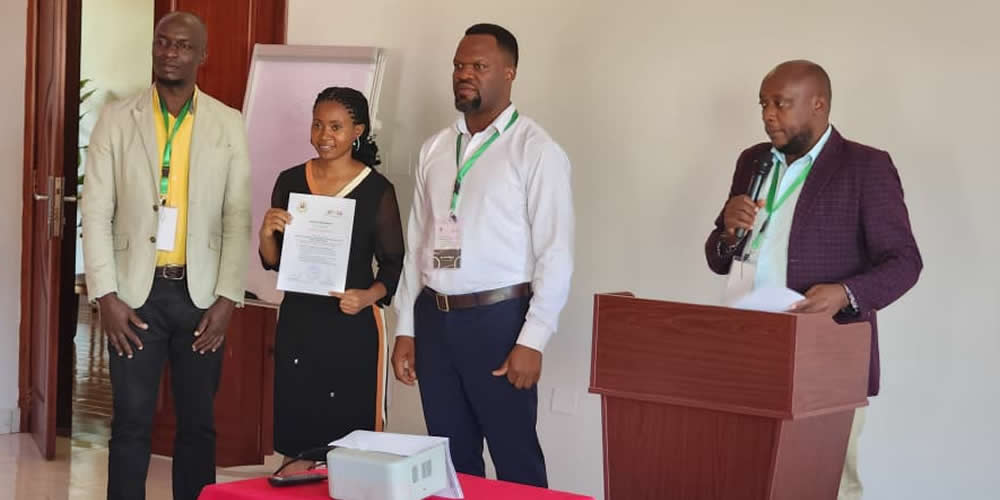
A major milestone of the dialogue was the establishment of the Uganda Youth Agroecology Network, a platform that will provide sustained leadership, coordination, and advocacy for youth engagement in agroecology beyond the conference.
We are proud to share that Gladys Nabweteme of NCDI Africa was elected as the President of the Uganda Youth Agroecology Network, reflecting her commitment to advancing youth-led climate action, sustainable agriculture, and food systems transformation.
The dialogue concluded with a powerful call for young people to become proactive agents of change by organizing themselves into a coordinated movement capable of influencing policy, promoting agroecology, and accelerating sustainable food systems transformation at community, national, and continental levels.
NCDI Africa remains committed to working with partners, communities, and young people to promote resilient food systems, environmental sustainability, and climate-smart agricultural practices that leave no one behind.
About our charity
Summary

How To motivate Poor Child For Education?