
According to the World Food Programme (WFP), 466 million children worldwide receive school meals through government-led programmes a clear reflection of how essential school feeding has become in supporting children’s well-being and educational outcomes.
Access to nutritious meals remains one of the most powerful tools for improving children’s growth, learning, and overall health. School feeding programmes play a vital role, especially in communities where poverty limits families’ ability to provide balanced diets.
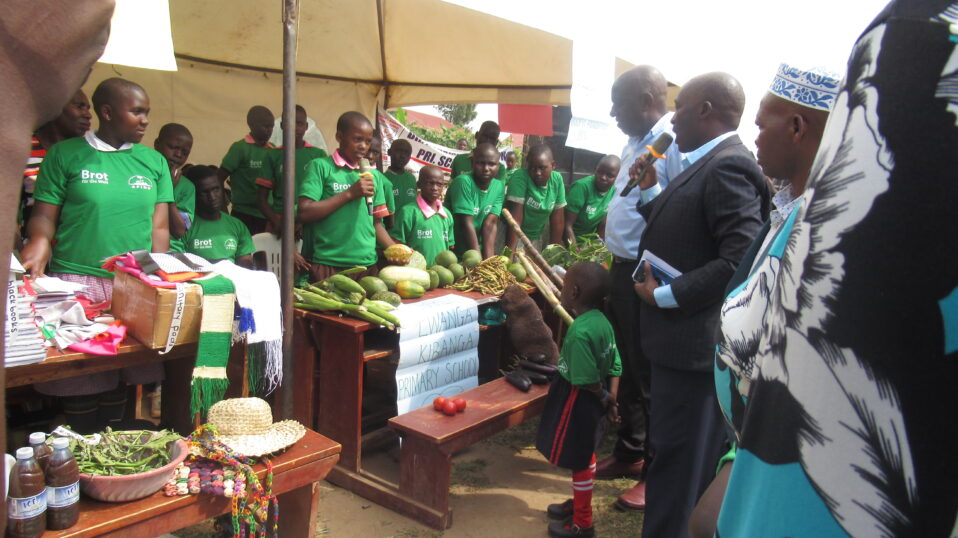
By providing nutritious meals at school, these programmes help strengthen students’ concentration, health, and academic performance. Well-nourished children are more attentive in class, more engaged in learning, and better equipped to reach their full potential. Regular access to nutritious meals also promotes consistent school attendance, which is crucial for long-term success.
The impact of school feeding goes far beyond the classroom. Healthy, well-fed children contribute to stronger, more resilient communities. They are better learners, more active participants in school life, and ultimately better prepared to contribute positively to society. A World Bank study further highlights this potential, noting that school feeding programmes could increase school enrolment in Uganda by up to 29%.
Yet despite these benefits, challenges remain. In Uganda, over 64% of school-going children spend the entire school day without food, significantly compromising their ability to participate effectively in learning activities. Hunger limits attention, weakens concentration, and undermines both academic achievement and overall well-being.
Investing in school feeding is not just about providing food it is about building a foundation for brighter futures, one child at a time. Every meal served at school is an opportunity to improve learning outcomes, support healthy development, and empower the next generation.
At Nurturing Community Development Initiatives in Africa, we are committed to supporting initiatives that ensure every child has access to adequate nutrition. We believe that investing in school feeding programmes not only improves educational outcomes but also strengthens communities, empowering children to thrive academically, physically, and socially.
 Plot 55, Bugerere Road, Mukono
 +256393101842
Recent Comments