Adolescents (10-19) years of age spend a significant part of their day at school, making schools a critical part of the socio-ecological system in which young people’s mental Health develops (WHO, 2009). According to the World Health Organization (WHO), one in seven adolescents (10-19years) worldwide experience a mental Health disorder and yet majority of these cases go unnoticed or untreated. Mental Health challenges among school-ongoing adolescents are linked to factors such as, poverty, academic pressure and performance anxiety, bullying, peer pressure, chronic illness and sexual violence. Once these issues go un noticed, adolescents may engage in risky behaviors such as substance use and addiction, experience suicidal thoughts, suffer from stress and anxiety which affects concentration and academic performance, develop low self-esteem and social withdraw. To address these challenges effectively, school-based mental health programs must be prioritized and promoted as a key solution.
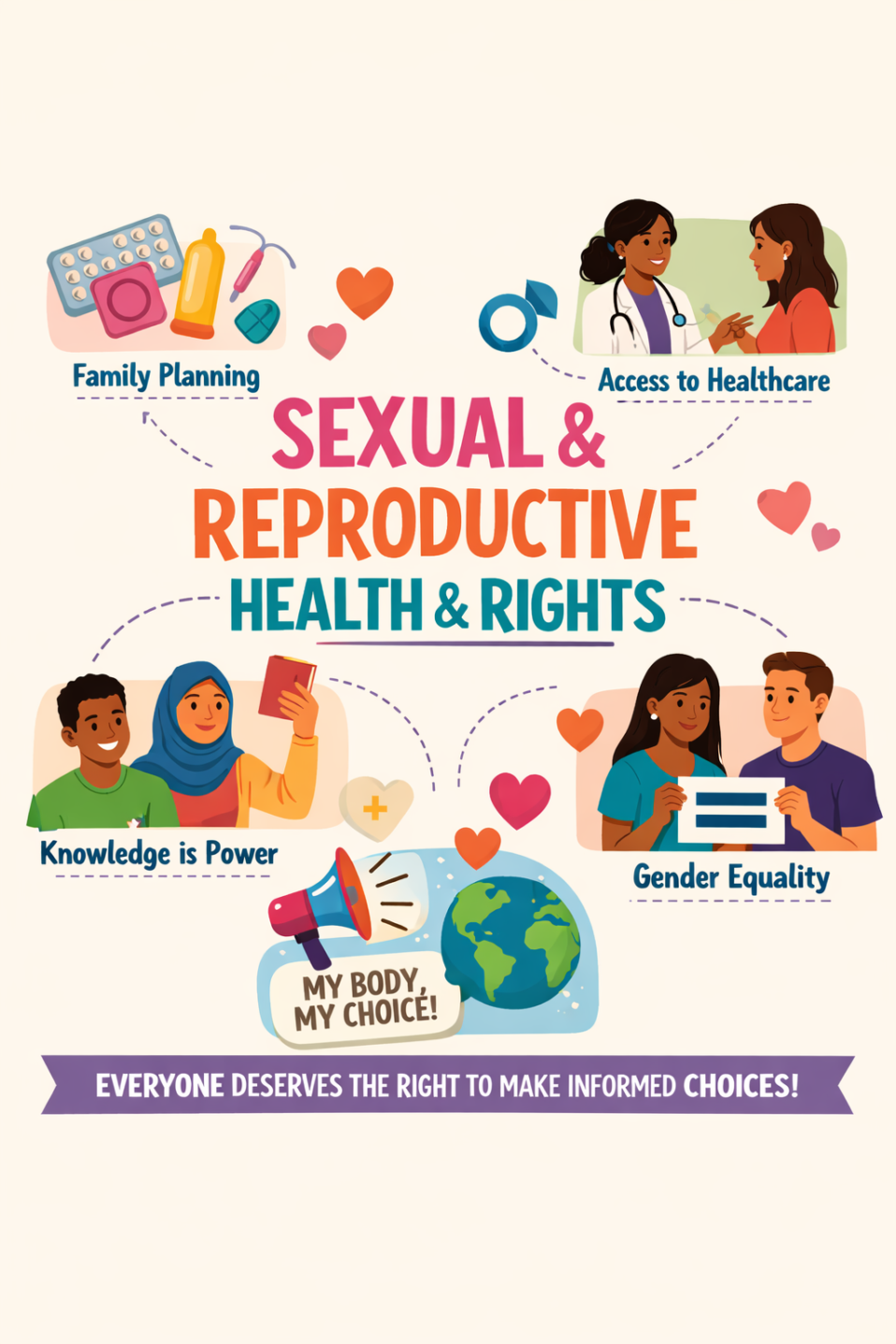
Empowering Young Women and Adolescent Girls in Uganda: A Call to Action on Sexual and Reproductive Health
Many young women and adolescent girls in Uganda continue to face severe sexual and reproductive health (SRH) challenges. The most pressing issues include extremely high unintended pregnancy rates, especially among adolescent girls ages 15–19, who reported a 63% rate in 2022 compared to 46% among all women of reproductive age. Other significant concerns are high rates of sexually transmitted infections (STIs), limited access to contraception, gender-based violence (GBV), unsafe abortion practices, and the ongoing threat of HIV.
For many girls, seeking information or care is intimidating. Fear of judgment, cultural barriers, and lack of confidentiality discourage them from accessing essential services. As a result, preventable health complications persist, school dropout rates rise, and cycles of poverty and vulnerability deepen.
Sexual and reproductive health is not only a medical issue, but it is a matter of human rights, gender equality, and sustainable development. When girls are empowered with accurate information, safe services, and supportive communities, they are more likely to stay in school, avoid risky behaviors, and pursue meaningful opportunities.
Investing in adolescent SRH is investing in healthier families, stronger communities, and a more resilient future.
At Nurturing Community Development Initiatives in Africa (NCDI), we are part of the solution by
Providing youth-friendly SRH education Deliver community-based and school outreach programs that offer age-appropriate, culturally sensitive sexuality education covering contraception, STI prevention, consent, and healthy relationships.
Promoting access to services Partner with health facilities to link young people to confidential, affordable SRH services, including HIV testing, counselling, and family planning.
Empowering girls economically and socially Integrate life-skills training, mentorship, and economic empowerment programs to reduce vulnerability and increase girls’ agency over their futures.
Let’s break the silence, reduce stigma, and build safe spaces where every girl can thrive.
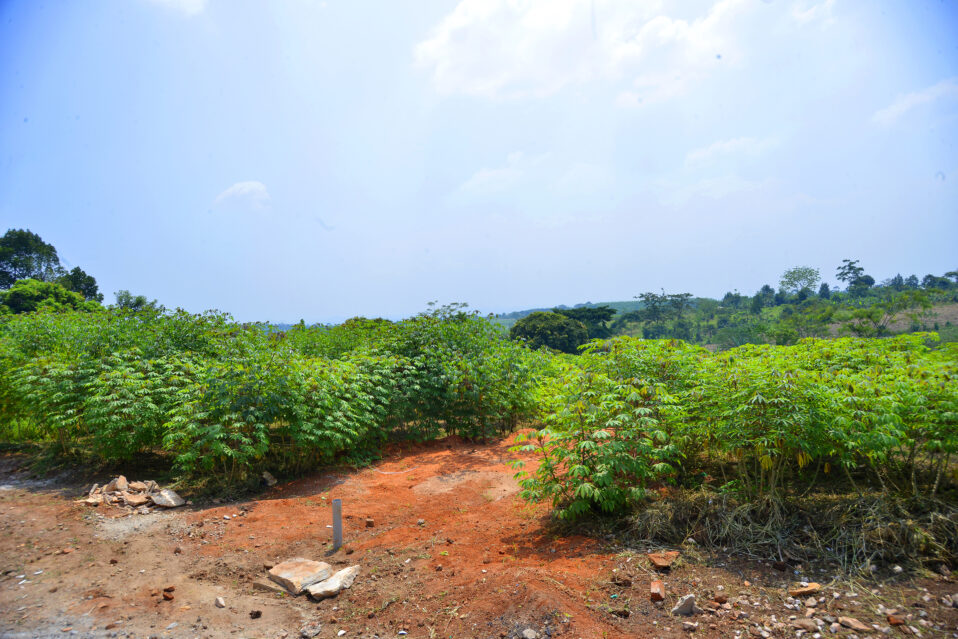
Healthy Students, Brighter Futures: The Importance of School Feeding Programs
According to the World Food Programme (WFP), 466 million children worldwide receive school meals through government-led programmes a clear reflection of how essential school feeding has become in supporting children’s well-being and educational outcomes.
Access to nutritious meals remains one of the most powerful tools for improving children’s growth, learning, and overall health. School feeding programmes play a vital role, especially in communities where poverty limits families’ ability to provide balanced diets.
By providing nutritious meals at school, these programmes help strengthen students’ concentration, health, and academic performance. Well-nourished children are more attentive in class, more engaged in learning, and better equipped to reach their full potential. Regular access to nutritious meals also promotes consistent school attendance, which is crucial for long-term success.
The impact of school feeding goes far beyond the classroom. Healthy, well-fed children contribute to stronger, more resilient communities. They are better learners, more active participants in school life, and ultimately better prepared to contribute positively to society. A World Bank study further highlights this potential, noting that school feeding programmes could increase school enrolment in Uganda by up to 29%.
Yet despite these benefits, challenges remain. In Uganda, over 64% of school-going children spend the entire school day without food, significantly compromising their ability to participate effectively in learning activities. Hunger limits attention, weakens concentration, and undermines both academic achievement and overall well-being.
Investing in school feeding is not just about providing food it is about building a foundation for brighter futures, one child at a time. Every meal served at school is an opportunity to improve learning outcomes, support healthy development, and empower the next generation.
At Nurturing Community Development Initiatives in Africa, we are committed to supporting initiatives that ensure every child has access to adequate nutrition. We believe that investing in school feeding programmes not only improves educational outcomes but also strengthens communities, empowering children to thrive academically, physically, and socially.
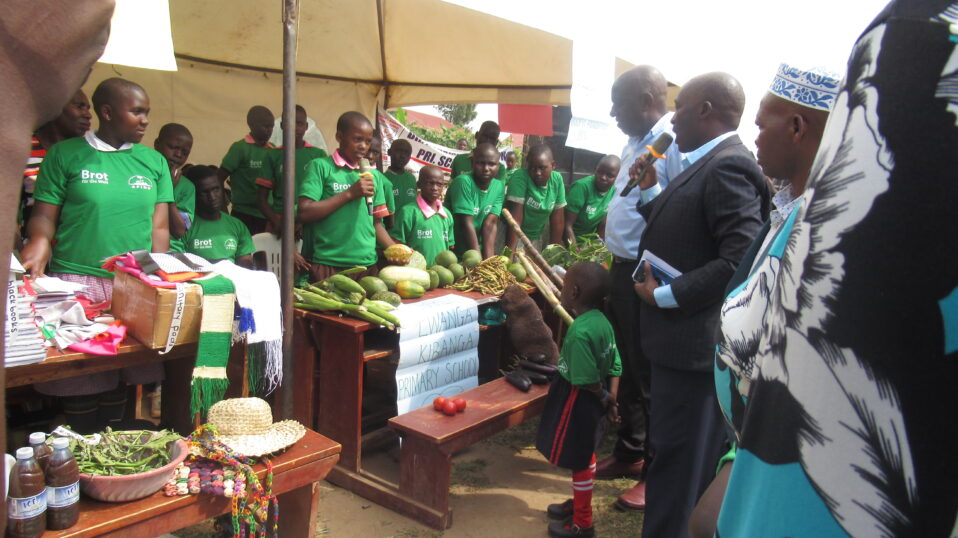
Empowering the Youth Through Agroecology
Agroecology, which is a science, a practice, and a movement, combines traditional knowledge with modern ecological principles to build sustainable and resilient food systems.
In Uganda, young people have been actively involved in agroecology through school-based projects, such as establishing small gardens and participating in agroecology clubs. These initiatives provide hands-on experience in sustainable farming and allow students to connect classroom theory with practical, real-life skills.
This approach aligns with Uganda’s national development goals under Vision 2040 and complements the country’s shift toward a competency-based curriculum. Through agroecology activities, young people are gaining practical skills in organic farming, making organic fertilizers, beekeeping, local stove construction, and climate-smart agriculture.
Beyond technical knowledge, agroecology helps learners develop critical thinking, innovation, teamwork, and problem-solving abilities. These competencies empower youth to become active contributors to their communities. Many have even started small businesses, using their skills to generate income and strengthen local economies.
As Nurturing Community Development Initiatives in Africa (NCDI Africa), we are committed to supporting youth-led agroecology. We provide mentorship, resources for school gardens, training in innovative agroecological practices, and pathways to entrepreneurship. By equipping young people with these skills, we help them transform their futures while strengthening the communities around them improving food security, building resilient ecosystems, and fostering sustainable livelihoods.
When youth embrace agroecology, they become leaders, innovators, and agents of change for healthier, more resilient communities.
Written by,
Gladys Nabweteme
 Plot 55, Bugerere Road, Mukono
 +256393101842
Recent Comments