

 Passionate about change? Volunteer with us today!

Community Engagement in Matugga, Wakiso District
- To improve knowledge and practices related to menstrual health and hygiene management among adolescent girls, young women, and mothers.
- To strengthen positive parenting and encourage open communication on adolescent sexual and reproductive health issues.
- To identify the key challenges affecting adolescent girls, young women, and mothers and provide practical solutions through education, dialogue, and the provision of essential hygiene materials.
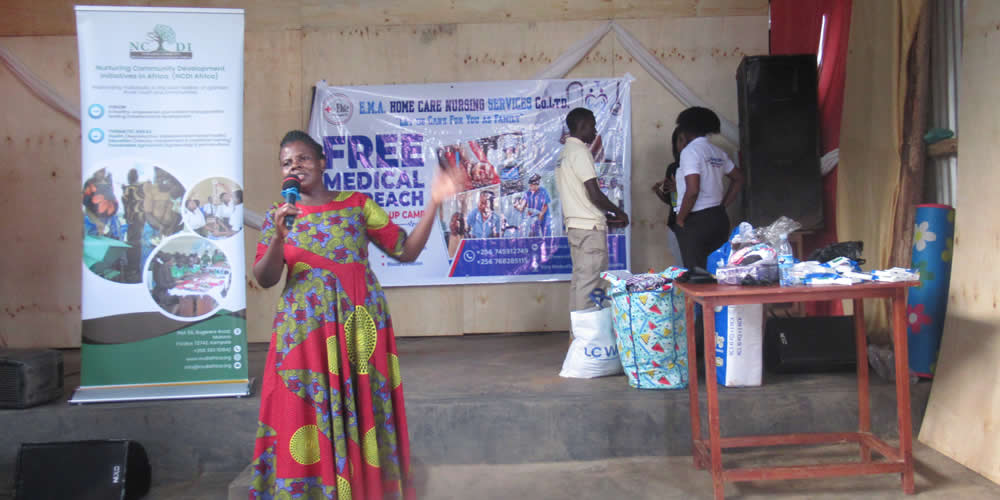
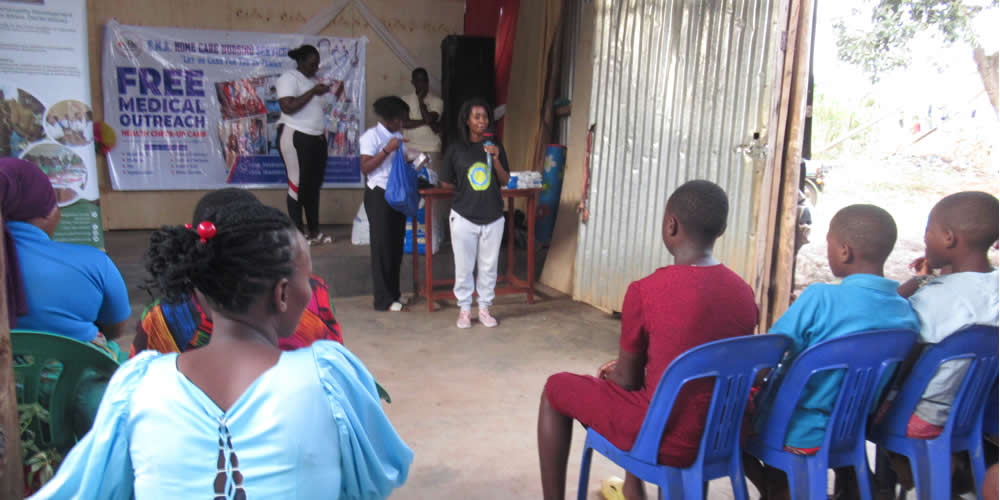
On Saturday, 11 July 2026, Nurturing Community Development Initiatives in Africa (NCDI Africa), in partnership with Girl Focus, Humanity Charity Connect Initiative, and a Village Health Team (VHT) worker, conducted a community engagement activity at Holy Mountain Church in Matugga, Wakiso District. The activity mainly targeted school-going adolescent girls, young women, and mothers to better understand the challenges affecting them. Participants were divided into two groups: one for mothers and another for adolescent girls and young women, where they were engaged in a dialogue. Discussions focused on relationships, menstruation, menstrual hygiene, body hygiene, parenting, sexuality, Sexually Transmitted Infections, and other related issues.
During the session with adolescent girls and young women, participants actively engaged in discussions and asked several questions related to their Sexual Reproductive Health health and well-being. Some of the questions raised included: What is menstruation? Why do menstrual cramps occur? How can I handle boys who pressure me into relationships? Where can I report abuse or harassment? Who can I talk to when I have personal concerns or need support?
Facilitators responded by providing accurate, age-appropriate information on puberty, the menstrual cycle, and the causes and management of menstrual cramps. Participants were advised on healthy ways to manage menstrual pain, including maintaining good hygiene, staying hydrated, eating a balanced diet, engaging in light physical activity, and seeking medical attention when the pain is severe or persistent. They were also guided on how to respond confidently and respectfully to unwanted advances from boys, encouraged to avoid risky relationships and early sexual debut, and reminded that they have the right to make informed decisions about their lives and bodies.
In addition, facilitators informed participants about the appropriate channels for reporting abuse, harassment, or any form of violence, emphasizing that they should seek help from trusted parents or guardians, teachers, school counselors, local leaders, health workers, or other responsible adults. Participants were encouraged to speak openly about their concerns and to seek support whenever they felt unsafe or needed guidance. They were also reminded about how important their mental well-being is.
Participants also openly shared the challenges they face, including pressure from boys to engage in relationships, teasing and body shaming by peers, limited access to menstrual hygiene products, menstrual pain and discomfort, and fear of discussing personal concerns with their parents or guardians. In response, facilitators provided guidance on making informed decisions, resisting peer pressure, avoiding risky relationships and early sexual debut, and understanding the risks and consequences of teenage pregnancy. Participants were further educated on proper menstrual hygiene management and personal hygiene, encouraged to develop positive behaviour and self-esteem, and empowered to build the confidence to openly communicate their concerns and seek support from trusted parents, guardians, teachers, or health workers for their well-being.
In the mothers' discussion group, participants shared the key barriers that affect their ability to effectively care for and guide their children, particularly adolescent girls. These challenges included discomfort in discussing sensitive topics such as puberty, menstruation, and relationships, as well as financial hardships that limit their ability to provide essential menstrual hygiene products and other basic needs. To address these challenges, the mothers suggested strengthening open and honest communication with their children, creating a supportive home environment where adolescents feel comfortable seeking guidance, and exploring affordable menstrual hygiene options, such as reusable sanitary pads. They also emphasized the importance of seeking support through community networks and participating in parenting and health education sessions to enhance their knowledge and confidence in supporting their children.
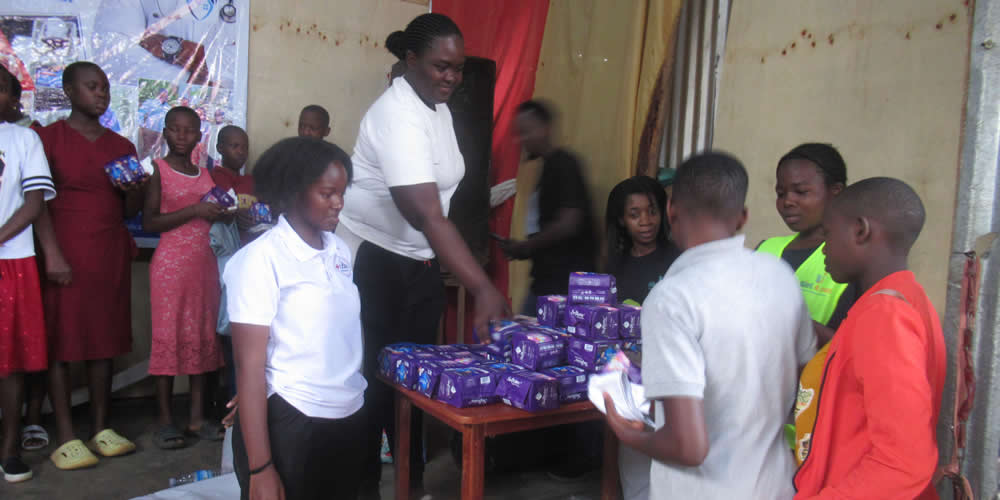
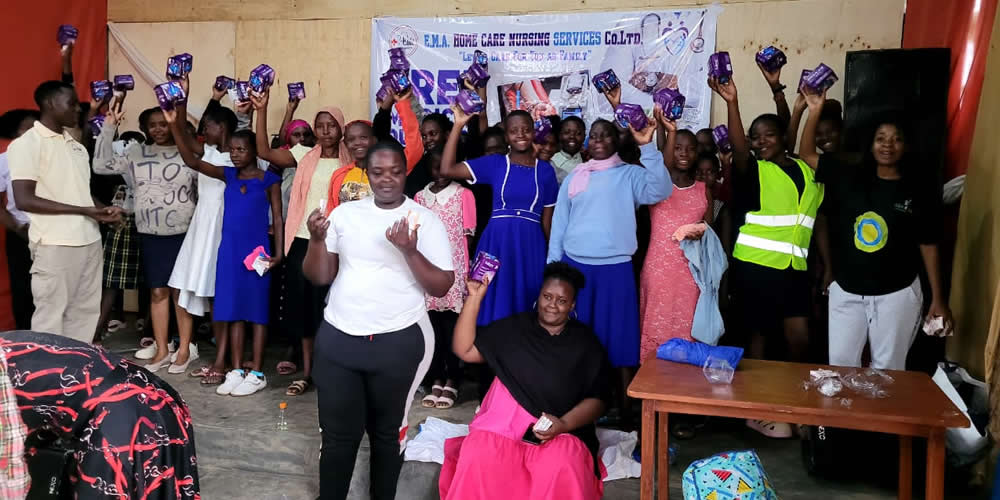
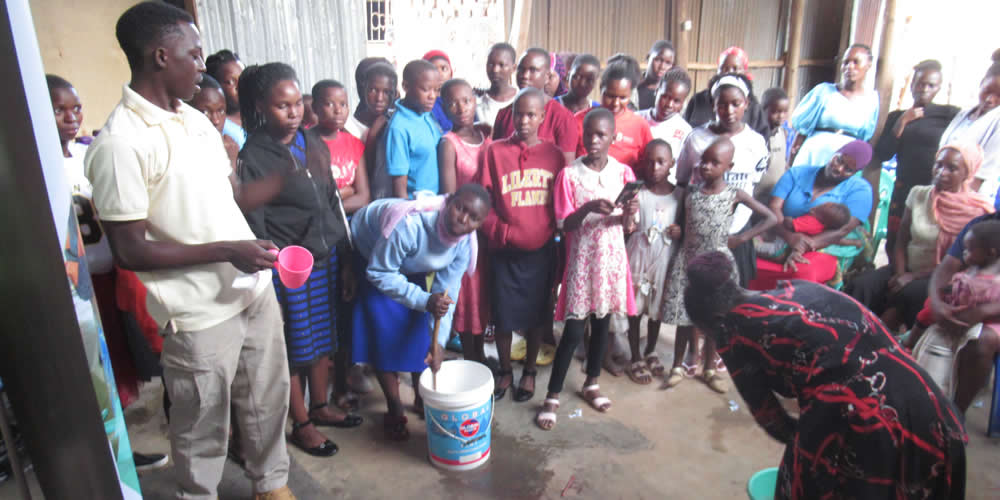
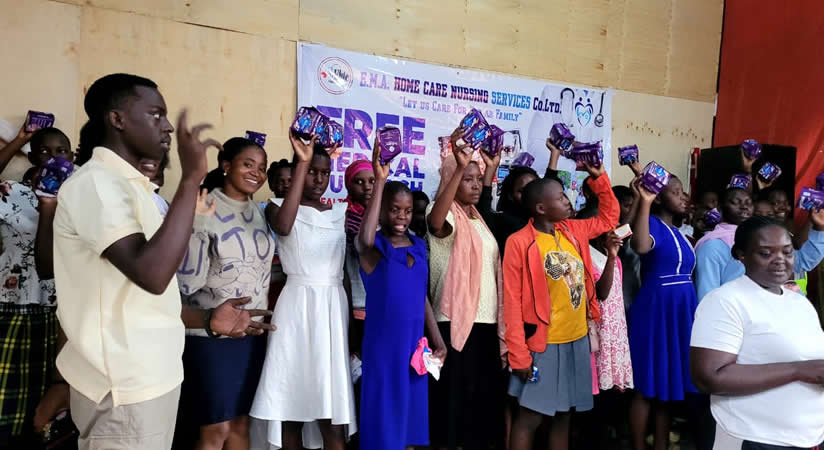
Following the discussions, participants received practical training on how to make liquid soap as a sustainable approach to promoting menstrual hygiene management and personal hygiene. To further support their health and well-being, participants were also provided with sanitary pads, knickers, and deworming tablets. These interventions aimed to improve access to essential hygiene materials, promote healthy practices, and enhance the overall well-being of adolescent girls and young women.
Lastly, participants were invited to reflect on the lessons learnt. These included MHM, good parenting, and knowledge on how to make Liquid Soap; the adolescent youth and young women gained confidence in advocating for their Sexual Reproductive Health and Rights. They thanked the organizations for the wonderful sessions provided and their commitment to health.
About our charity
Summary
How To motivate Poor Child For Education?
It serves as a bridge between those who want to help and those who need support, creating meaningful change through compassion, dedication, and collective effort. By addressing social challenges such as poverty, education, health, and community development, a charity organization works to uplift lives.