

 Passionate about change? Volunteer with us today!

What does it really cost when our food systems rely on highly hazardous agrochemicals?
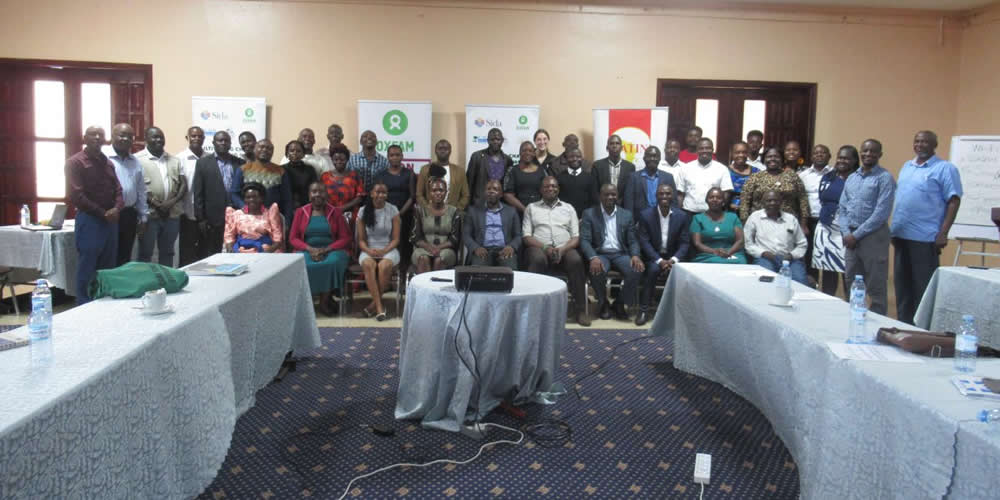
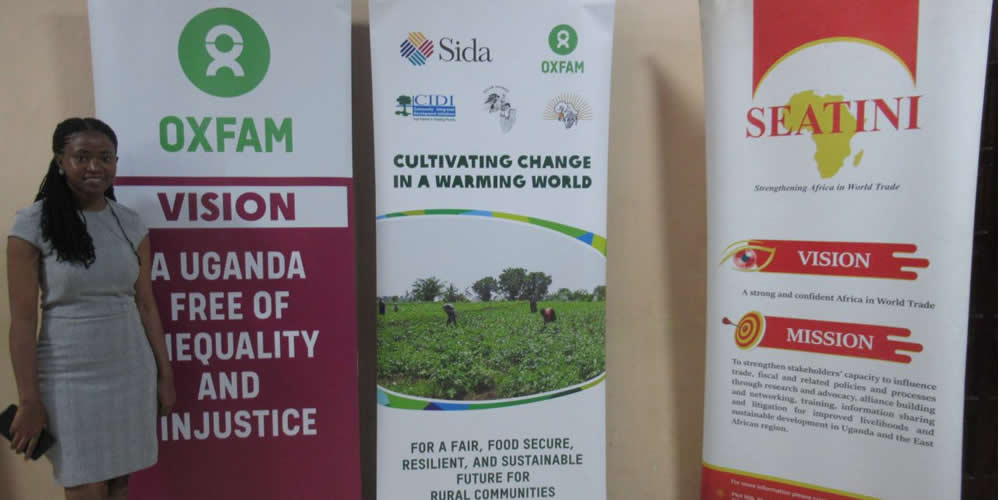
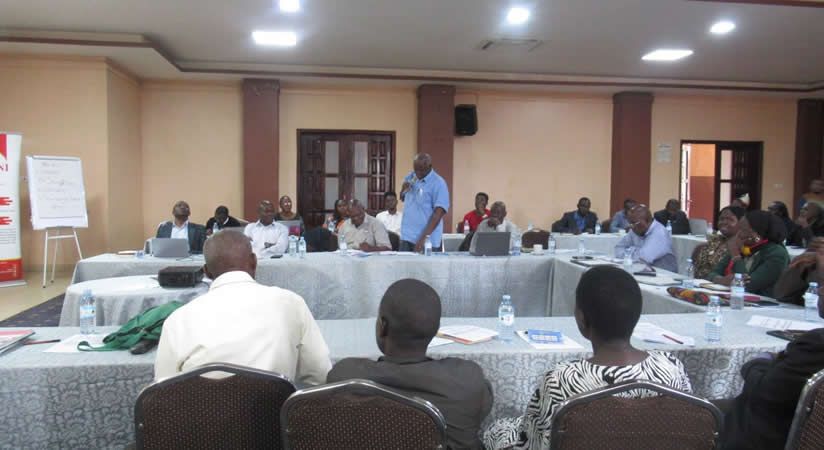
On 15 November, NCDI Africa joined farmers, policymakers, civil society actors, and researchers at a Regional Policy Dialogue on Highly Hazardous Agrochemicals, convened by Oxfam. What emerged was not just a technical discussion but a shared concern about the future of our food systems and the people who sustain them.
As conversations unfolded alongside partners such as PELUM Association, SEATINI, and the Ministry of Agriculture Animal Industry and Fisheries (MAAIF), one reality stood out: pesticide use in Uganda has more than doubled since 1990. While parts of the world are deliberately reducing chemical dependence, Africa continues on the opposite path, often relying on substances classified as highly hazardous, with real consequences for farmer health, soil life, water systems, and biodiversity.
Farmers spoke of exposure. Environmental advocates spoke of degradation. Policymakers reflected on gaps in regulation and enforcement. Yet, amid these concerns, there was also hope.
The dialogue became a space for imagining a different pathway, one rooted in agroecology, organic alternatives, and indigenous knowledge. Participants called for safer farming practices, greater awareness among farmers, stronger protections for those who still handle agrochemicals, and a deliberate shift away from chemical-intensive agriculture. Ethnobotanical solutions, stronger extension services, and early policy engagement emerged as practical entry points for change.
For NCDI Africa, this conversation reaffirmed our commitment. A commitment to stand with farmers. To raise awareness about the risks of highly hazardous pesticides. To work with policymakers and partners to strengthen regulation. And, most importantly, to support a transition toward safe, sustainable, and people-centered food systems.
About our charity
Summary

How To motivate Poor Child For Education?